Exploring the essential relationship between urban structures and nature, where living walls and integrated greenery redefine the modern workplace and residential health.
As our urban environments continue to densify, the separation between human habitats and the natural world has become more pronounced. Biophilic design seeks to mend this fracture by integrating biological elements directly into the architectural fabric. This integration is not merely decorative; it is a fundamental shift in how we perceive the function of our walls and rooftops.
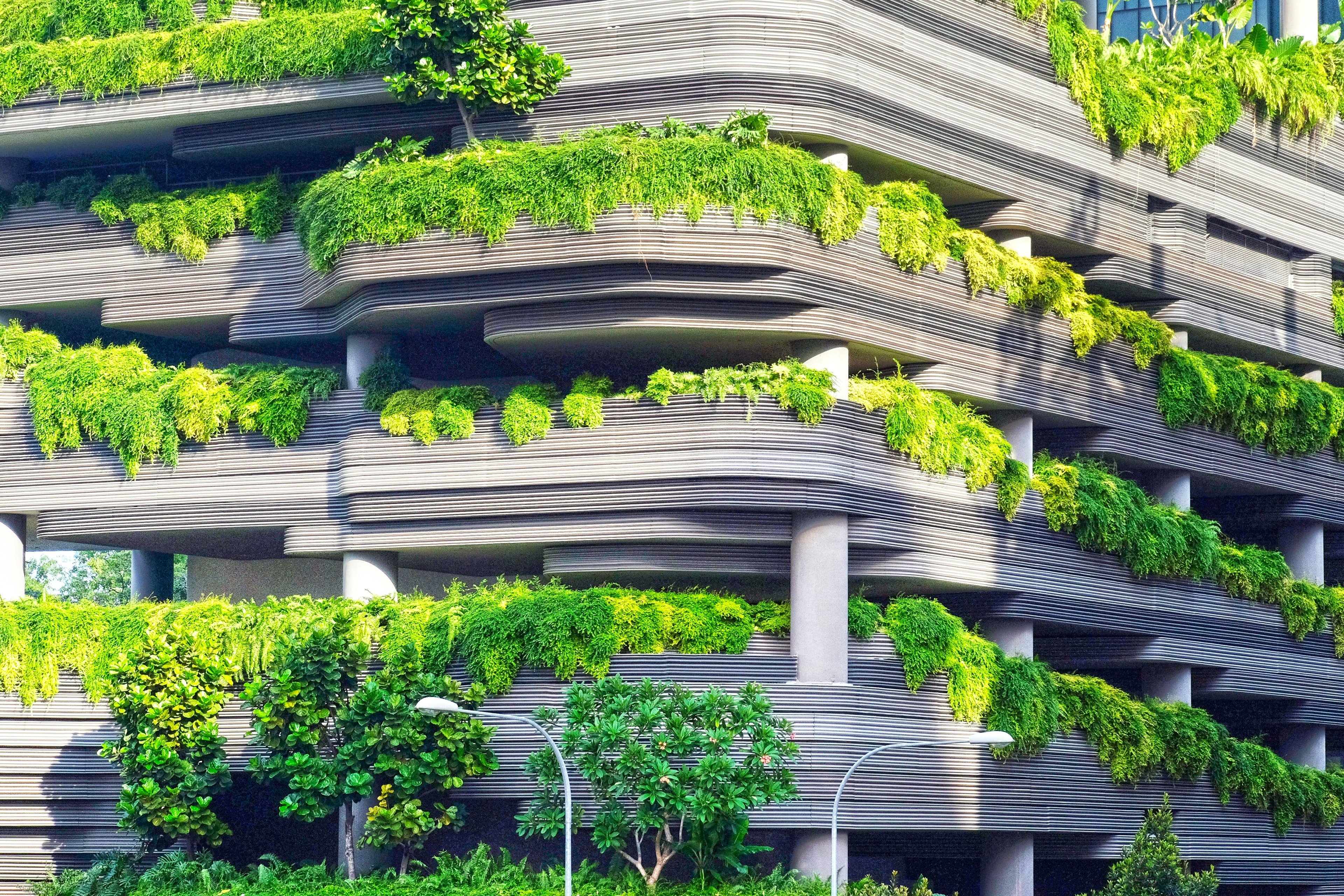
The implementation of “breathing walls”—vertical gardens that utilize hydroponic systems to support diverse plant life—offers significant benefits for both building performance and human health. These living installations act as natural air filters, removing volatile organic compounds and increasing oxygen levels within indoor spaces. Moreover, the presence of greenery has been scientifically proven to reduce stress levels, improve cognitive function, and enhance overall well-being.
Beyond the individual building, biophilic integration plays a crucial role in urban ecology. Green roofs and walls help mitigate the urban heat island effect, manage stormwater runoff, and provide vital habitats for local pollinators. By viewing architecture as a living organism rather than a static box, we can create cities that are more resilient and hospitable. The challenge for future architects lies in balancing the technical requirements of these systems with the aesthetic goals of high-end design.